
Cream & Onion Makhana: Why This Mild, Crunchy Snack Fits Modern Snacking Habits
, by Akash Jain, 17 min reading time
, by Akash Jain, 17 min reading time
For people who prefer something gentler, creamy and savoury, Cream & Onion Makhana offers a different experience.
Finding a snack that feels satisfying without being overwhelmingly spicy can be surprisingly difficult. Many packaged snacks lean heavily on chilli, intense seasoning, or frying to create a strong flavour. For people who prefer something gentler, creamy and savoury, Cream & Onion Makhana offers a different experience.
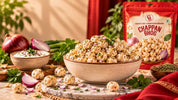
Made from roasted makhana and coated with a familiar cream-and-onion flavour profile, this snack brings together a light crunch and savoury taste. It can suit an afternoon break, a relaxed evening at home, a workday snack, or a small bite between meals.
The growing interest in flavoured makhana also reflects a broader change in how people approach everyday snacking. Consumers increasingly look for convenient foods that offer enjoyable flavour while fitting into more considered eating habits.
That does not mean every flavoured makhana product should automatically be described as healthy. Ingredients, preparation method, seasoning, serving size, and individual dietary needs still matter.
The more useful question is this: can cream and onion makhana have a practical place in a balanced snacking routine? In many cases, yes. Understanding what makes it appealing and how to choose and enjoy it sensibly is the key.
Makhana is widely known as fox nuts or lotus seeds. These edible seeds have been used in Indian food traditions for generations and are now increasingly available as convenient roasted snacks.
Plain makhana has a relatively mild flavour and an unusual airy texture. When properly roasted, it becomes crisp and crunchy without requiring deep frying.
That makes it particularly versatile.
The same base ingredient can be seasoned with spices, herbs, cheese-style flavours, chilli, chocolate-inspired coatings or a cream-and-onion blend.
From a practical food perspective, this versatility is one reason makhana has moved beyond traditional preparations and into modern snack formats.
Good-quality makhana should feel light and crisp when roasted correctly.
The texture is important because snacking is not simply about hunger. Sensory satisfaction matters too. People often want something that provides a little resistance when bitten, followed by a clean crunch.
This is where roasted makhana differs from softer snack foods.
However, texture can vary considerably between products. Poorly roasted makhana may taste chewy, while excessive moisture during storage can quickly reduce its crispness.
The flavour combination of cream and onion is familiar to many snack consumers.
Onion provides savoury depth, while the creamy element softens the sharper notes and creates a smoother flavour profile. Compared with chilli-heavy varieties, it can feel more approachable for people who prefer mild seasoning.
Cream & Onion Roasted Makhana combines this familiar flavour profile with the characteristic crunch of roasted makhana.
This makes it particularly suitable for situations where you want flavour without an aggressively hot snack.
For example, someone working at a desk may want a snack that is savoury but not messy. A student studying in the evening may want something crunchy without reaching for a heavily fried snack. A family watching a film may prefer a bowl that can be shared easily.
These everyday use cases explain the appeal better than simply calling the product a "healthy snack."
The term Healthy Snacks is useful only when it is considered in context.
A snack can contain a wholesome base ingredient and still contain significant amounts of salt, oil, or other flavouring ingredients.
This is particularly relevant for flavoured products.
Plain roasted makhana and a heavily seasoned cream-and-onion product are not nutritionally identical simply because both start with makhana.
When evaluating a packaged snack, look at the complete product rather than relying only on claims displayed on the front of the package.
A practical label check should include:
The ingredient list can also tell you whether the cream-and-onion flavour comes primarily from spices and seasonings or from a more complex flavouring blend.
This does not make one product automatically right or wrong for everyone. It simply gives you information to make a more informed choice.
The popularity of roasted snacks is closely connected to preparation.
Deep frying involves cooking food in a substantial amount of hot oil. Roasting uses dry heat and can require considerably less added oil, depending on the recipe or manufacturing process.
For makhana, roasting is particularly useful because the seeds can become crisp without needing to be submerged in oil.
However, "roasted" should not be treated as a nutritional guarantee.
A roasted product can still contain added oil and considerable sodium. The sensible approach is to evaluate the entire formulation.
When assessing roasted fox nuts, texture can provide useful practical information.
Freshly roasted makhana should generally have:
If homemade makhana becomes soft shortly after preparation, moisture is often the culprit.
Allowing it to cool completely before storing it in an airtight container can make a substantial difference.
Cream and Onion Fox Nuts can be particularly appealing because they sit between plain and strongly spiced snack choices.
Some people do not want an intensely hot snack every day. Others may find plain roasted makhana too mild.
Cream and onion provide a middle ground.
The flavour is savoury and recognisable without necessarily relying on high chilli intensity. That makes it suitable for different occasions, including:
A small portion can be kept at a desk and eaten during an afternoon break. Because roasted makhana is relatively lightweight, it can be convenient for people who prefer a dry snack rather than something requiring refrigeration.
A Crunchy evening snack can make a relaxed evening feel more satisfying. Cream and onion flavour works particularly well here because it provides savoury character without dominating the palate.
Dry roasted snacks can be convenient during travel when properly packaged and stored. Individual portions are easier to manage than carrying a large open packet.
Crunch can make a snack more enjoyable during long periods of desk work. Pre-portioning can also help avoid repeatedly eating from a large packet without noticing the quantity.
The idea of a Healthy Makhana Snack should be approached realistically.
Makhana can certainly be part of a balanced diet. But whether a specific product fits your nutritional needs depends on its ingredients, preparation, and portion size.
For example, someone looking for a lighter savoury snack may find roasted makhana useful. Someone who needs a more substantial snack after exercise may need additional foods that provide more protein or energy.
The same food can therefore serve different purposes for different people.
A useful approach is to ask:
What do I need from this snack right now?
If the answer is "something crunchy and savoury," cream and onion makhana may fit.
If the answer is "I am genuinely very hungry and need something substantial," simply eating more makhana may not be the most satisfying solution.
Makhana has a light, airy structure. This can make a bowl look larger than the actual amount of food it contains.
That is convenient, but it can also make mindless eating easy.
Instead of eating directly from a large package, consider placing an intended portion into a bowl.
This gives you a clear visual stopping point.
Portion needs vary according to individual circumstances, including:
There is no universal serving size that works for every person.
Making a homemade version is straightforward if you already have plain makhana.
Start by dry-roasting the makhana in a heavy pan over low to medium heat. Stir regularly so the pieces heat evenly.
Once they become crisp, add a small amount of oil or ghee if required for seasoning adhesion.
Then add a cream-and-onion-style seasoning blend.
You can create a simple savoury profile with ingredients such as:
Toss everything thoroughly and allow the makhana to cool completely before storing.
If you are using dairy-based ingredients, storage conditions become particularly important. Follow the storage guidance appropriate for the ingredients you use.
Crispness is one of the main reasons people enjoy makhana, so storage deserves attention.
If makhana retains too much moisture, it may soften after cooling.
Very high heat can burn the outside before the centre has properly crisped.
Adding delicate seasonings towards the end of roasting can help preserve their flavour.
Never seal hot makhana in an airtight container. Trapped heat can create condensation.
Keep the container tightly sealed and store it somewhere dry.
These simple steps are particularly useful in humid environments, where moisture can affect crisp snacks quickly.
Even a nutritious snack can become boring when eaten repeatedly.
A more sustainable approach is to maintain several snack options rather than relying on one product.
Your rotation might include:
This approach also prevents one food from carrying unrealistic expectations.
A Healthy Makhana Snack can be one component of a balanced routine rather than the entire definition of healthy eating.
Makhana can be a useful food, but preparation matters.
Added oil, salt, and flavouring ingredients can change the nutritional profile of the finished snack.
Roasting can be preferable to deep frying in some preparations, but portion size still matters.
A cream-and-onion flavour can come from seasoning rather than a large quantity of dairy cream.
The ingredient list tells you more than the flavour name.
Texture plays a major role in satisfaction. A crisp snack with a well-balanced savoury flavour can be enjoyable without intense chilli heat.
Makhana is a snack, not a substitute for a varied, nutritionally adequate diet.
If you are genuinely hungry, adding complementary foods may provide better satiety than simply increasing the amount of one snack.
A few practical habits can make your snacking routine more consistent.
Measure or visually portion your snack before sitting down. This is especially useful when eating while working or watching television.
Cream-and-onion products can vary significantly in sodium and added fat. Compare labels if you are choosing between products.
Makhana should have a clean roasted aroma and crisp texture. A stale taste or soft texture can indicate that the product has lost freshness.
If you need something more filling, pair a moderate amount of makhana with another appropriate food rather than continually increasing the portion.
Having only one snack available can encourage repetitive eating. A small variety makes healthy choices more practical.
No single snack is appropriate for every person.
People with food allergies should examine the ingredient and allergen information carefully, particularly when a product contains dairy-derived ingredients or is manufactured in facilities handling common allergens.
People managing sodium intake should also check the nutrition panel.
Those following medically prescribed diets should use advice from their healthcare professional or registered dietitian when deciding whether a particular packaged snack fits their dietary requirements.
The goal is not to label one food as universally suitable. It is to understand the product and make a choice based on individual circumstances.
Consider someone who tends to feel hungry around 5 p.m. after finishing work.
They might previously have eaten a large packet of fried snacks because it was convenient.
A more structured routine could involve keeping a small portion of cream and onion makhana ready in advance.
On a mildly hungry day, that portion may be enough.
On a day when hunger is stronger, they could combine the makhana with another appropriate food.
The important change is not simply swapping one branded product for another. It is creating a more intentional decision around when, why, and how much they eat.
That is where the concept of Healthy Makhana Snack becomes practically useful.
Not everyone wants maximum intensity from their food.
There is room in the snack market for flavours that are savoury, creamy, herby, mildly spiced or lightly seasoned.
Cream and onion are familiar enough to be approachable while still offering more flavour than plain makhana.
For consumers who want variety without constantly choosing extremely spicy snacks, this balance can be useful.
The broader lesson is that healthier snacking habits are more sustainable when the food remains enjoyable.
If a snack is nutritious but unpleasant, people may not continue eating it. If it is enjoyable but nutritionally unbalanced, it may not support their goals either.
The sweet spot is a snack that works within the person's overall eating pattern.
Cream & Onion Makhana offers a useful combination of mild savoury flavour and satisfying crunch. Its familiar cream-and-onion profile makes it an approachable choice for people who prefer something less intense than heavily spiced snacks.
The real value of makhana, however, comes from using it sensibly.
Choose products based on their actual ingredients and nutrition information. Keep portions appropriate. Store roasted fox nuts correctly to preserve their texture. Most importantly, treat a Healthy Makhana Snack as one part of a varied eating routine rather than a shortcut to healthy eating.
When flavour, convenience and mindful choices come together, cream and onion makhana can be a practical addition to modern snacking habits.
Cream & Onion Makhana is roasted makhana seasoned with a cream-and-onion flavour profile. The base ingredient is commonly known as fox nuts or lotus seeds. The seasoning adds savoury depth while retaining the characteristic crisp texture of roasted makhana.
It can fit into a balanced diet, but the answer depends on the specific product and portion. Check the ingredient list, sodium, added oil, calories, and serving size rather than assuming that every flavoured makhana product has the same nutritional profile.
Keep them in a clean, dry, airtight container and protect them from moisture. If you prepare them at home, allow them to cool completely before sealing. For packaged products, follow the manufacturer's storage instructions after opening.
Moisture is usually the main issue. Makhana that was not roasted sufficiently, exposed to humid air, or sealed while warm can lose its crunch. Proper roasting, complete cooling, and airtight storage can help preserve the texture.
Flavoured makhana can be included regularly if it suits your dietary needs and overall eating pattern. However, variety remains important. Pay attention to portion size and the product's sodium, fat, and seasoning levels, especially if you consume it frequently.