
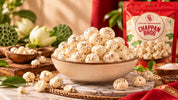
Silver Makhana: A Premium, Crunchy Choice for Healthy Everyday Snacking
, by Akash Jain, 16 min reading time
, by Akash Jain, 16 min reading time
Silver Makhana offers an appealing combination of size, texture, and versatility for people who enjoy premium-quality crunchy snacks.
Finding a snack that feels indulgent without becoming an everyday compromise can be surprisingly difficult. Many crunchy snacks are heavily fried, while some packaged options rely on excessive salt, flavouring, or added fats. This is why makhana has become increasingly interesting for people looking to build a more practical Healthy Snacking routine.
Among the different grades available, Silver Makhana is often associated with larger, fuller, and visually appealing makhana suitable for premium snacking. Its light texture, natural crunch, and versatility make it suitable for roasting, seasoning, and even traditional preparations.
But the word "premium" needs some context. A higher grade does not automatically mean that the food is nutritionally superior. Size, appearance, roasting quality, freshness, ingredients, and portion size all influence the final eating experience.
So, what makes Silver Makhana different? How does it compare with ordinary makhana? What are the potential Silver Makhana Benefits, and where does 4+ Suta Makhana fit into the picture?
This guide explores these questions in practical terms, helping you understand how to choose, prepare, and enjoy premium makhana as part of everyday eating.
Makhana is commonly known as fox nuts or lotus seeds. It has a long history in Indian food traditions and is used in both savoury and sweet preparations.
The dried seeds are relatively neutral in flavour. Once roasted, however, they develop a characteristic crispness that makes them particularly suitable for snacking.
This is one reason makhana works well in modern kitchens. It can be seasoned according to individual preferences without requiring complicated preparation.
For example, the same basic roasted makhana can become:
This flexibility makes makhana more than simply another packaged snack. It can become an ingredient within a broader eating routine.
Silver Makhana generally refers to a premium-grade selection of makhana distinguished by characteristics such as size, appearance, puffing, and overall quality.
The exact grading terminology can vary between sellers and suppliers, so consumers should avoid assuming that the word "Silver" represents a universally standardised nutritional grade.
In practical terms, premium makhana is often selected for its larger, well-puffed pieces and attractive appearance. These characteristics can make it particularly appealing for direct snacking and premium food products.
The important distinction is that grading and nutrition are not necessarily the same thing.
A larger makhana may provide a more satisfying crunch, but that alone does not mean it contains dramatically more nutrients than a smaller piece.
The quality of fox nuts can have a noticeable effect on the final snack.
Anyone who has roasted makhana at home has probably experienced the difference between fresh, well-puffed pieces and smaller pieces that become chewy or stale quickly.
Good-quality makhana should generally have a light, clean appearance and a crisp texture once properly roasted. Poor storage can affect even high-grade makhana.
When purchasing, look for:
If buying loose makhana, freshness becomes particularly important because exposure to moisture can gradually reduce its crunch.
There are several practical reasons people include makhana in their diets. However, it is better to distinguish between genuine nutritional characteristics and exaggerated health claims.
Some commonly discussed Silver Makhana Benefits relate to its role as a roasted snack option rather than a miracle food.
Roasted makhana provides a distinctive airy crunch. This makes it useful for people who enjoy the texture of crisps and other crunchy foods but want additional snack options.
The preparation method matters considerably. Makhana roasted with a moderate amount of oil will have a different nutritional profile from one heavily coated in fat.
Plain makhana has a relatively neutral flavour, allowing it to fit different food preferences.
It can be seasoned with spices, herbs, or simple salt. It can also be incorporated into traditional recipes.
This versatility makes it easier to build variety into Healthy Snacking rather than relying on the same snack every day.
Makhana is easy to measure into a small bowl or container.
This is useful because eating directly from a large packet can make portion awareness difficult. Preparing a defined serving encourages more mindful eating.
Roasting provides a way to create crunch without deep-frying the makhana.
However, "roasted" should never be treated as an automatic health guarantee. Added oil, salt, and flavouring still matter.
The term Premium Makhana is often used to describe makhana selected for characteristics such as size, puffing, appearance, and consistency.
For consumers, the practical benefit of a premium grade may be a more consistent eating experience.
Imagine opening a packet and finding mostly large, well-puffed pieces that roast evenly. Compare that with a mixture containing many tiny pieces, broken fragments, and unevenly puffed seeds.
The first option may feel more premium because the quality is more consistent.
But it is important to avoid equating premium appearance with unlimited health benefits.
A premium snack can still be high in sodium if heavily seasoned. It can also become calorie-dense if large amounts of oil are added.
Premium should therefore describe quality and eating experience rather than serve as a substitute for nutritional information.
If you have encountered the term 4+ Suta Makhana, you may wonder what "Suta" means.
In makhana trading and grading, "suta" is commonly used as a size classification. The terminology relates to the diameter or size of the popped makhana.
The 4+ classification generally indicates larger-sized makhana.
For consumers, this can translate into a fuller appearance and a more substantial crunch.
However, grading systems can vary by supplier and market, so it is sensible to check the seller's specific grading explanation rather than assuming every "4+ Suta" product is identical.
Larger pieces often provide a more noticeable crunch per bite.
They also tend to look more attractive when served in bowls, making them suitable for entertaining, gifting and premium snack presentations.
That is a quality and sensory advantage, not necessarily proof of superior nutrition.
This distinction is important when evaluating premium food products.
Roasted Makhana is one of the simplest ways to enjoy fox nuts.
The basic process is straightforward, but small preparation choices can make a substantial difference.
Place the makhana in a dry pan and roast it over low to medium heat. Stir frequently so that the pieces heat evenly.
After several minutes, test a piece.
It should feel crisp when bitten rather than soft or chewy.
If oil is being used, a small quantity can be added towards the end of roasting. Seasoning can then be incorporated while the surface is warm enough for it to adhere.
This approach gives better control over the final flavour and texture.
Take one piece from the pan and allow it to cool briefly.
Then bite into it.
If it produces a clean crunch, it is likely ready. If it bends or feels chewy, continue roasting gently.
Avoid turning the heat excessively high to speed things up. Makhana can brown or burn on the outside while remaining uneven inside.
A sustainable approach to Healthy Snacking should not depend entirely on restriction.
If a person genuinely enjoys crunchy and savoury foods, choosing a snack that delivers those characteristics can make dietary changes easier to maintain.
Silver Makhana can work well in this situation because it can be seasoned in many ways.
Try combinations such as:
The amount of seasoning should be adjusted according to the rest of the diet, particularly when using commercial spice blends that may contain considerable sodium.
Makhana has a strong association with fasting and vrat-style preparations in many Indian households.
Makhana for Fasting can be roasted and eaten simply or incorporated into traditional recipes, depending on the fasting rules being followed.
This is an area where individual practices differ significantly.
Some people may use makhana with ghee, rock salt, and permitted spices. Others may combine it with milk or yoghurt in a traditional preparation.
Because fasting rules vary by tradition, household, and religious practice, there is no single universal fasting recipe.
If you are preparing makhana specifically for fasting, check the ingredients of any packaged seasoning carefully. A plain makhana product may be appropriate under one set of fasting practices, while a flavoured commercial product may contain ingredients that do not fit another.
One of the simplest strategies is to make the snack convenient before hunger arrives.
For example, someone working in an office may prepare several small portions of roasted makhana at the beginning of the week.
Each portion can be stored separately and taken to work.
Another practical situation is evening snacking. Instead of waiting until hunger becomes intense and then choosing whatever is immediately available, a small container of roasted makhana can already be prepared.
The goal is not to make every snack perfectly healthy. The goal is to make better choices easier.
Mid-morning snack
Pair a modest portion of roasted makhana with fresh fruit when you want something light between meals.
Evening snack
Season roasted makhana with herbs and spices for a savoury alternative to conventional fried snacks.
Travel snack
Choose a dry preparation that can be carried easily in an airtight container.
Fasting preparation
Use plain makhana and fasting-compatible ingredients according to your dietary tradition.
Family snack bowl
Serve lightly seasoned makhana in a bowl rather than leaving a large packet open for continuous eating.
Size is a quality characteristic, not a complete nutritional assessment.
Larger makhana may provide a more appealing texture, but nutrition still depends on the product and preparation.
Flavoured makhana can contain oil, salt, sugar, or seasoning blends.
Always check the ingredient list.
This makes portion awareness more difficult.
Transfer the desired quantity into a bowl or container before eating.
Humidity can quickly affect the crispness of roasted makhana.
Keep it in an airtight container and protect it from moisture.
High temperatures can burn the outside and create bitter flavours.
Slow roasting generally produces more consistent results.
If presentation and crunch are important, a larger premium grade may be worthwhile.
If you are using makhana as an ingredient in a recipe where size matters less, a standard grade may work perfectly well.
Commercial seasoning mixes can already contain salt. Taste the finished product before adding additional salt.
If you want to add lemon juice, yoghurt, or other moisture-rich ingredients, add them immediately before eating.
Moisture can destroy the crisp texture during storage.
Smaller batches are easier to roast evenly and can help maintain freshness.
Especially with packaged flavoured makhana, compare serving sizes, sodium, fat, and added ingredients rather than relying solely on marketing terms.
Makhana can be incorporated into a weight-management diet, but it should not be described as a weight-loss food by itself.
Body weight is influenced by overall energy intake, activity, dietary composition, and many individual factors.
The practical advantage of makhana is that it provides another crunchy snack option that can be portioned easily.
For someone accustomed to eating large quantities of fried snacks, replacing some occasions with a measured portion of roasted makhana may be a useful dietary adjustment.
But the preparation matters.
A large serving heavily coated in oil and seasoning can contribute considerably more energy and sodium than a lightly seasoned portion.
Storage is one of the most overlooked parts of the makhana experience.
Once opened, keep makhana away from humidity.
For roasted makhana:
If the makhana becomes noticeably soft, roasting it briefly again may restore some crispness, although this should not be used to rescue product that shows signs of spoilage.
Silver Makhana offers an appealing combination of size, texture, and versatility for people who enjoy premium-quality crunchy snacks. Whether you choose it for everyday eating, entertaining, fasting preparations, or simply as an alternative to conventional snack foods, the quality of the raw makhana and the way it is prepared both matter.
The most useful approach to Healthy Snacking is not to search for one food that solves everything. Instead, build a routine around sensible portions, varied foods, appropriate preparation methods, and ingredients you genuinely enjoy.
If you prefer larger, well-puffed pieces, 4+ Suta Makhana or another premium grade may provide the texture and presentation you are looking for. If convenience matters most, roasted makhana can be portioned in advance and kept ready for busy days.
Ultimately, premium quality should enhance the eating experience, while informed choices determine how well the snack fits into your overall diet.
Silver Makhana is generally used as a premium-grade classification for makhana selected for characteristics such as size, appearance, and puffing quality. The exact grading standards can differ between sellers, so consumers should check the supplier's description.
The practical benefits include its crunchy texture, versatility, convenience, and suitability for roasting. It can provide an alternative to conventional fried snacks. However, the nutritional value of a finished product depends on preparation, seasoning, oil, portion size, and the individual's overall diet.
Not necessarily. Premium Makhana may offer larger, better-puffed, and more consistent pieces, which can improve texture and presentation. However, size or grade alone does not establish that it has substantially greater nutritional value than another grade.
Makhana is commonly used in fasting and vrat-style preparations, but permitted ingredients differ according to personal, religious, and regional practices. Plain makhana may be prepared with ingredients such as permitted salt, spices, or ghee depending on the specific fasting rules being followed.
Roast the makhana gently until it develops a clean crunch, then allow it to cool completely before storing it in an airtight container. Keep moisture away from the container, and add wet ingredients such as lemon juice only immediately before eating.