
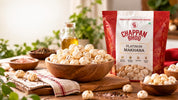
Platinum Makhana: How Premium Fox Nuts Make Everyday Snacking More Nutritious and Enjoyable
, by Akash Jain, 15 min reading time
, by Akash Jain, 15 min reading time
Platinum Makhana can make everyday snacking more enjoyable when quality, preparation, and portion size are considered together.
Choosing a snack sounds simple until you want something that is crunchy, satisfying, convenient, and reasonably nutritious at the same time. Biscuits, fried namkeen, chips, and sweets may be easy options, but they do not always fit into everyday eating habits.
That is where Platinum Makhana can be a useful addition to the snack cupboard. Makhana, also known as fox nuts or lotus seeds, has become popular as a lighter alternative to many traditional packaged snacks. When carefully selected and properly roasted, it offers a crisp texture that works well for both planned meals and those moments when hunger appears between them.
For people comparing different varieties, the quality of the raw makhana matters. Larger, well-popped pieces such as 6+ suta makhana are often preferred for their fuller texture and more substantial bite. They can also provide a better base for simple roasting and seasoning.
This guide explains what makes premium makhana different, how to choose and prepare it, and how to make it part of a sensible snacking routine. If you are looking for the best makhana for healthy snacking, the goal should not simply be finding the biggest pieces or the most expensive packet. It should be finding a product with good raw quality, appropriate processing, sensible ingredients, and a taste you will actually enjoy eating regularly.
Makhana is commonly known as fox nut or fox nuts in English. It comes from the seeds of the Euryale ferox plant, an aquatic plant traditionally cultivated in parts of India.
The seeds are processed through several stages before reaching the familiar white, puffed form sold as a snack. After harvesting, the seeds are dried, graded, and traditionally roasted or popped. The result is a lightweight food with a distinctive crunchy texture.
Makhana is naturally relatively mild in flavour. That is one reason it works well with different seasonings. It can be eaten plain, dry-roasted, lightly spiced, or combined with ingredients such as herbs and nuts.
However, it is worth making one distinction clear: makhana is not automatically a healthy food simply because it is marketed as one. Preparation makes a meaningful difference.
A bowl of lightly roasted makhana with modest seasoning is quite different nutritionally from makhana heavily coated with butter, sugar, salt, or a rich-flavoured seasoning.
The ingredient list and serving size therefore matter just as much as the name on the packet.
The term premium makhana generally refers to makhana selected for characteristics such as larger size, better popping, cleaner appearance, texture, and consistency.
One grading term you may encounter is 6+ suta makhana. In practical terms, higher-grade makhana tends to contain larger, fuller pieces. For a snack, this can make a noticeable difference because larger pieces usually offer a more satisfying crunch.
But size should not be treated as the only measure of quality.
When assessing a packet, look at:
A premium product should offer more than attractive-looking pieces. It should provide consistent quality from one handful to the next.
For someone unfamiliar with makhana grading, terms such as "suta" can sound complicated.
You do not necessarily need to understand every technical detail to make a sensible purchase. The practical takeaway is that 6+ suta makhana is generally associated with larger-grade pieces.
Larger pieces can be particularly enjoyable when dry-roasted because they retain a noticeable crunch rather than becoming a collection of tiny crumbs.
For example, imagine preparing a bowl for an evening snack. With small, broken pieces, you may find yourself reaching for another handful quickly. With larger, well-popped pieces, the eating experience can feel more substantial.
That does not mean larger makhana has dramatically different nutritional properties. It mainly affects grade, texture, appearance, and eating experience.
A useful snack does not have to be complicated.
One of the practical advantages of makhana is that it can be prepared in advance. A batch of roasted pieces can be stored appropriately and portioned into small containers for work, travel, or home use.
This is particularly useful for people who tend to reach for highly processed snacks when they become hungry between meals.
Consider a common weekday situation.
You finish work in the late afternoon, dinner is still two hours away, and you want something crunchy. If the easiest option in the kitchen is a packet of fried snacks, that is probably what you will eat.
Now consider keeping a container of lightly roasted makhana ready to serve. You have created a more convenient alternative without requiring a complicated recipe.
That is an important part of sustainable healthy eating: make the better option easy to reach.
The phrase healthy snacks can sometimes create unrealistic expectations. No single snack automatically makes a person's diet healthy.
A better approach is to consider the overall eating pattern.
Makhana can fit into that pattern because it is:
However, portion awareness remains important.
It is easy to eat several handfuls while working, watching television, or scrolling through a phone without noticing how much has been consumed. Even a relatively simple snack can contribute significant calories if eaten continuously.
A practical habit is to serve a planned amount into a bowl instead of eating directly from a large container.
One of the simplest ways to enjoy makhana is dry roasting.
Start with a clean, dry pan and add the makhana without overcrowding it. Roast over low to medium heat, stirring regularly.
The objective is to remove residual moisture and improve crispness without burning the pieces.
Depending on the quantity and cookware, roasting time can vary. Instead of relying only on a timer, pay attention to the texture.
A properly roasted piece should feel crisp when bitten rather than soft or chewy.
Once roasted, allow the makhana to cool before seasoning.
You can keep the seasoning straightforward:
If using oil or ghee, a small amount is usually enough to help seasoning adhere and add flavour.
The key is not to drown the natural crunch under excessive seasoning.
There is no single product characteristic that makes one packet universally suitable for everyone.
If you are specifically searching for the best makhana for healthy snacking, use a simple checklist rather than relying entirely on marketing claims.
A plain makhana product should have a relatively straightforward ingredient list.
If the product is flavoured, check what has been added. Look for unnecessary amounts of sugar, salt, oils, or highly processed flavouring ingredients.
Good-quality popped makhana should generally look clean and reasonably intact.
A large amount of powder, broken pieces, or unusually uneven material may affect the eating experience.
If you prefer larger pieces and a fuller crunch, look for higher grades such as 6+ suta makhana.
Again, grade is about quality characteristics and size; it does not mean that the product automatically has superior nutritional value.
Plain makhana gives you greater control over what goes into your snack.
If you buy a heavily flavoured product, you may have less control over the amount of salt, oil, or other ingredients.
Packaging and storage matter because crisp foods can lose their texture when exposed to moisture.
Always follow the manufacturer's storage instructions and close the package properly after opening.
A common complaint about light snacks is that they do not feel satisfying enough.
One way to address this is to think about what the snack is trying to accomplish.
If you simply want something crunchy with tea, roasted makhana may be enough.
If you need a more substantial snack after physical activity or during a long workday, you may want to pair it with another nutritious food rather than eating an increasingly large amount of makhana.
For example, you could combine a modest serving with:
This approach is more practical than expecting one food to solve every hunger situation.
Keep a small airtight container at your desk rather than an oversized packet.
When hunger arrives between lunch and dinner, portion out a serving and eat it away from your computer for a few minutes. This can make you more aware of how much you are eating.
Dry snacks are useful when travelling because they are convenient and do not require cooking.
Choose properly packaged makhana and keep it dry. If travelling for a long period, consider the overall nutritional needs of the trip rather than relying exclusively on one snack.
This is where makhana can be particularly useful.
Many people associate evening tea with biscuits, fried snacks, or sweets. Replacing some of those occasions with roasted fox nuts can introduce more variety into the routine.
You can prepare a small bowl, season it lightly, and enjoy it slowly with your drink.
Instead of giving everyone a large packet to eat from, prepare a shared bowl.
This simple change encourages portion awareness and makes the snack feel more intentional.
Different grades, processing methods, and products can vary considerably in size, texture, and ingredients.
Compare products rather than assuming every packet will provide the same experience.
Makhana can go from pleasantly crisp to burnt quite quickly.
Use moderate heat and stir frequently. If the pieces develop a strong burnt smell or dark spots, the heat is probably too high.
Oil can improve flavour and help spices stick, but a large quantity changes the nutritional profile of the snack.
Start with a small amount and increase only if necessary.
This is one of the most common mistakes with packaged health foods.
A food can fit well into a balanced diet without being something to eat without limits.
Portion size still matters.
Adding makhana to a diet does not compensate for an otherwise unbalanced eating pattern.
Think about the whole day: meals, snacks, beverages, fruit and vegetables, protein sources, and overall variety.
If you regularly eat makhana, a few practical habits can improve the experience.
Buy according to your actual use. If you eat it occasionally, buying a very large quantity may not be practical.
Look for intact pieces. Consistent, well-popped pieces are generally more enjoyable for roasting.
Store it away from moisture. Humidity can quickly reduce the crunch.
Use an airtight container after opening. This helps protect the texture.
Roast only what you need. Smaller batches can make it easier to maintain freshness.
Taste before heavily seasoning. Good-quality makhana has a pleasant roasted character on its own.
Read nutrition information rather than relying on front-of-pack claims. The back label provides more useful information when comparing flavoured products.
Not necessarily.
"Better" depends on what you are looking for.
If you value larger pieces, consistent popping, and a fuller crunch, premium grades may be worth considering.
If you mainly use makhana as an ingredient in a recipe where it will be crushed or mixed with other foods, paying extra for the largest pieces may not provide much practical benefit.
This is an important consumer distinction: premium quality should solve a real preference or use case.
You should not pay more simply because a package uses premium language.
Healthy eating habits are easier to maintain when they fit naturally into everyday life.
A simple routine could look like this:
The objective is not to eat makhana every day. The objective is to have a convenient snack option that works when you need it.
Platinum Makhana can make everyday snacking more enjoyable when quality, preparation, and portion size are considered together. Its naturally mild flavour and crunchy texture make it versatile enough for office snacks, evening tea, travel and simple family snacking.
For shoppers comparing premium makhana, focus on tangible qualities such as piece size, freshness, consistency, and ingredients rather than relying solely on marketing terminology. A grade such as 6+ suta can be useful if you prefer larger, fuller pieces, while plain varieties give you greater control over seasoning and preparation.
Ultimately, the best makhana for healthy snacking is one that fits realistically into your overall eating pattern. Roast it thoughtfully, season it moderately, store it correctly, and enjoy it as part of a varied diet rather than treating it as a miracle food.
The main differences may relate to grading, piece size, selection, processing, and consistency. Premium-grade makhana can offer larger, fuller pieces and a more consistent crunch. However, consumers should still check the ingredient list, freshness, and nutrition information rather than assuming that a premium label automatically means greater nutritional value.
Makhana can be a practical, nutritious evening snack, particularly when it is dry-roasted or prepared with a modest amount of oil and seasoning. It can provide the crunchy eating experience many people look for in the evening. Portion size still matters, and people with specific dietary or medical requirements should consider their overall diet rather than relying on general health claims about one food.
6+ suta makhana generally refers to a larger grade of popped makhana. Larger pieces are often preferred because they have a fuller appearance and a satisfying crunch. The grading mainly helps describe size and quality characteristics; it should not be interpreted as a guarantee that the product is nutritionally superior to every smaller-grade makhana.
Allow freshly roasted makhana to cool completely before storing it. Then place it in a clean, airtight container away from humidity and direct moisture. Avoid repeatedly opening the container for long periods. If the pieces become soft, they can often be briefly reheated or roasted to restore some crispness, provided they have been stored safely and have not developed an unusual smell or appearance.
Start by checking the size and appearance of the pieces, freshness, packaging, and ingredient list. If you prefer larger pieces, consider grades such as 6+ suta. For a healthier everyday option, pay particular attention to added oil, sugar, and salt in flavoured varieties. Most importantly, choose a product that fits your eating habits and portion it sensibly.