
Peri Peri Makhana: A Spicy, Crunchy Choice for Modern Healthy Snacking
, by Akash Jain, 17 min reading time
, by Akash Jain, 17 min reading time
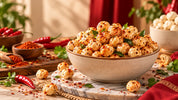
A bowl of plain makhana can feel quite different from a bowl of Peri Peri Roasted Makhana, even though the basic ingredient remains the same.
When the afternoon hunger hits, it is easy to reach for biscuits, fried snacks, or heavily processed foods. The problem is not occasional indulgence. It is that these convenient options can become everyday habits without offering much nutritional value.
That is where Peri Peri Makhana fits naturally into modern Healthy Snacking routines. Made from roasted makhana, also known as fox nuts or lotus seeds, this snack combines a light, crisp texture with the bold heat of peri-peri seasoning.
For people who enjoy savoury flavours but still want to make more thoughtful snack choices, peri peri makhana offers an interesting middle ground. It can work at the office, during travel, while watching a film, or as a quick evening snack at home.
But is every makhana snack automatically healthy? Not necessarily. The ingredients, roasting method, seasoning, oil, serving size, and overall diet all matter.
This guide explores what makes peri peri makhana appealing, how it compares with other roasted snacks, how to choose or prepare it wisely, and how to include it in a balanced Healthy Snacking routine.
Makhana is commonly known as fox nuts or lotus seeds. The edible seeds are traditionally used in Indian cuisine and are particularly popular in roasted snack preparations.
When roasted correctly, makhana develops a distinctive crisp texture. Unlike many fried snacks, roasted makhana does not need deep frying to become crunchy.
The neutral flavour of plain makhana also makes it remarkably versatile. It can be seasoned with everything from black pepper and herbs to chilli, cheese-style spices and peri peri seasoning.
From a practical snacking perspective, this versatility is one of its biggest advantages.
A bowl of plain makhana can feel quite different from a bowl of Peri Peri Roasted Makhana, even though the basic ingredient remains the same. The seasoning transforms the experience without requiring a complicated recipe.
Fox nuts have several characteristics that make them convenient for everyday snack preparation:
However, it is important not to treat these characteristics as proof that every makhana product is nutritionally superior. A snack's overall composition still depends on what is added during preparation.
The phrase Healthy Snacks can be misleading when it is used without context.
A snack may contain a wholesome ingredient but also have considerable amounts of oil, sugar, or sodium. Similarly, a product marketed as roasted may still contain substantial added fat depending on its preparation.
This is particularly relevant when choosing flavoured makhana.
For example, compare two hypothetical portions:
Option A:
Roasted makhana with a moderate amount of peri-peri seasoning.
Option B:
Roasted makhana coated heavily with oil, salt, and seasoning.
Both may be called peri peri makhana, but their nutritional profiles can be quite different.
This is why ingredient labels and serving sizes deserve attention.
When buying packaged makhana, look beyond the front-of-pack claims. Check:
A shorter, understandable ingredient list is often easier to evaluate, although ingredient quality should always be considered in context.
One reason Peri Peri Makhana has become an appealing snack concept is simple: flavour matters.
People do not choose food based on nutrition alone. Texture, aroma, convenience, and enjoyment strongly influence eating habits.
Peri peri seasoning typically brings a combination of chilli heat, savoury notes, acidity and spices. When applied to roasted makhana, it creates a contrast between a delicate, airy crunch and a stronger flavour profile.
That contrast can make a relatively simple ingredient feel much more interesting.
For someone who normally reaches for spicy crisps in the evening, a well-seasoned makhana option may provide a different way to satisfy the desire for crunch and spice.
That does not make it a magical substitute. It simply gives people another practical choice.
The word "roasted" is important, but it should not be misunderstood.
Roasting generally involves cooking food using dry heat, although small amounts of oil may also be used. With makhana, the goal is usually to remove moisture and develop a crisp texture without deep-frying.
This can make roasted makhana particularly useful for people who enjoy crunchy foods but want to diversify their snack choices.
A simple homemade preparation can be made with only a few ingredients.
Basic method:
The low-and-slow approach is useful because high heat can brown the outside before the interior becomes properly crisp.
A simple texture test is to take one piece out, let it cool briefly, and bite into it. It should have a clean crunch rather than a soft or rubbery centre.
Spicy Roasted Makhan can appeal to people who find plain snacks boring but still want something easy to keep at home or work.
The key is balance.
Too little seasoning can make the snack underwhelming. Too much can overwhelm the delicate flavour of the makhana and increase the amount of salt or seasoning consumed.
For homemade preparations, try adjusting the flavour gradually rather than adding a large quantity at once.
You can experiment with:
A squeeze of fresh lemon can also add acidity, although it is better added immediately before eating rather than before long-term storage because moisture can reduce crispness.
The most useful way to think about Healthy Snacking is not as a search for one "perfect" food.
Instead, consider whether a snack fits your hunger level, dietary needs, activity level, and overall eating pattern.
Peri peri makhana can be useful when you want something:
It can also be useful as a transition food for someone trying to reduce reliance on heavily fried evening snacks.
For instance, imagine someone working from home who typically eats a packet of crisps every afternoon. Keeping a pre-portioned container of roasted makhana nearby creates another option.
The important point is not that makhana eliminates the need for other foods. A balanced diet still needs a broad range of nutrients from meals and snacks.
Portion size is often overlooked because makhana feels light.
That airy texture can make it easy to eat a large bowl without noticing how much has been consumed.
Instead of eating directly from a large packet, consider putting a reasonable portion into a small bowl.
This creates a natural stopping point and makes it easier to understand how much you have actually eaten.
Your appropriate portion can depend on factors such as:
There is no universally correct serving size for everyone.
Makhana is primarily useful as a crunchy snack component, but pairing it thoughtfully can make a snack feel more satisfying.
For example, depending on your dietary preferences, you might combine a modest portion of peri peri makhana with:
The purpose of pairing is not to turn every snack into a complicated meal. It is simply to create more variety and, where appropriate, combine different nutritional qualities.
Someone who finds plain crunchy snacks unsatisfying may prefer a small portion of makhana alongside a protein-rich food.
One common reason people choose roasted snacks is the cooking method.
Deep-frying can substantially increase the fat and calorie content of foods because the cooking medium becomes part of the final product.
Roasting can reduce the need for large quantities of cooking oil.
However, "roasted" does not automatically mean low-calorie or nutritionally perfect. A roasted snack can still contain added oils, salt, or flavouring ingredients.
The sensible comparison is therefore not simply:
Roasted = healthy
Fried = unhealthy
A better approach is to compare the actual ingredient list, preparation method, portion size, and nutritional information.
That is a more reliable way to make food choices.
If you prepare makhana yourself, a few small techniques can make a noticeable difference.
Undercooked makhana can become chewy after cooling. Roast until the pieces are consistently crisp.
Start with a smaller amount of peri-peri seasoning. You can always add more.
A light coating can help seasoning adhere, but you generally do not need to saturate the makhana.
Warm makhana trapped in a sealed container can create condensation and compromise its crunch.
Moisture is the enemy of crispy roasted makhana. Store cooled pieces in a clean, dry, airtight container.
If you are preparing makhana for personal use, smaller batches can help preserve freshness and texture.
Even a simple snack can go wrong.
High heat can burn seasoning and create uneven roasting.
Better approach: Use moderate heat and stir frequently.
Some seasonings can become bitter or overly toasted when exposed to high heat for too long.
Better approach: Roast the makhana first and add seasoning towards the end.
Peri-peri blends may already contain salt. Adding additional salt without tasting first can quickly make the snack overly salty.
Better approach: Taste before adding extra salt.
This is a common reason homemade makhana loses its crunch.
Better approach: Allow it to cool completely before sealing.
A light, airy texture can create the impression that portion size does not matter.
Better approach: Serve a defined portion and eat mindfully.
For consistently good results, focus on the fundamentals rather than complicated recipes.
Tip 1: Test the crunch after cooling.
Food can become slightly different in texture once it reaches room temperature. Always judge crispness after a brief cooling period.
Tip 2: Separate flavour from heat.
A spicy snack does not have to be overwhelmingly hot. Use chilli for heat and complementary spices for depth.
Tip 3: Consider acidity.
Peri-peri flavours often benefit from an acidic element. If using lemon, add it just before eating rather than during long-term storage.
Tip 4: Keep portions visible.
A small bowl can be more useful than eating straight from the packet.
Tip 5: Treat seasoning as part of the recipe.
The makhana itself may be relatively simple, but the final nutritional profile depends partly on what is added to it.
Not necessarily.
People with specific dietary requirements, food allergies, sodium restrictions, or digestive sensitivities should check the product ingredients and nutritional information carefully.
Spicy seasoning can also be uncomfortable for some people, particularly if they are sensitive to chilli-heavy foods.
For packaged products, check allergen statements and manufacturing information where relevant.
People following medically prescribed diets should prioritise guidance from their qualified healthcare professional or registered dietitian rather than assuming that a snack is suitable because it is marketed as healthy.
A snack routine becomes easier when the food is accessible and the decision is simple.
Try creating a small snack system at home or work.
Keep a few options available, such as:
Then choose based on what you actually need at the time.
If you want crunch, peri peri makhana may make sense. If you are genuinely hungry and need something more substantial, a more filling combination may be appropriate.
This is a more sustainable approach to Healthy Snacking than trying to follow rigid food rules.
The appeal of Peri Peri Makhana comes from several factors working together.
It has the crunch people often seek from traditional snack foods. It offers a bold savoury flavour. It is relatively convenient to portion and store. And it provides an alternative to constantly relying on fried or heavily processed snack options.
At the same time, it should be viewed realistically.
Makhana is not a nutritional shortcut. Peri-peri seasoning does not automatically make a snack healthy. And roasted does not mean unlimited.
The better approach is to consider the entire product: ingredients, preparation, seasoning, portion size, and your broader diet.
Peri Peri Makhana brings together three things that make a snack genuinely appealing: crunch, convenience and strong flavour.
Made from makhana, or fox nuts, it can be roasted and seasoned in a way that provides an alternative to conventional fried snacks. Its biggest value, however, is not that it should replace every other snack. It is that it gives people another practical choice.
For better Healthy Snacking, focus on the fundamentals: read the label, understand the ingredients, control portions, avoid unnecessary excess oil and salt, and keep variety in your overall diet.
When approached that way, peri peri makhana can earn a sensible place in a modern snack routine without relying on exaggerated health claims.
Peri peri makhana can fit into a Healthy Snacking routine when prepared with sensible amounts of oil and seasoning and eaten in an appropriate portion. The overall nutritional value depends on the specific preparation or packaged product, so checking ingredients and nutrition information is important.
Yes. Makhana is commonly referred to as fox nuts or lotus seeds. These edible seeds are widely used in Indian cooking and are particularly popular when dry-roasted and seasoned. The terms are often used interchangeably in snack products and recipes.
It can be a useful alternative, particularly when it is roasted with limited added oil. However, the comparison depends on the specific products. A heavily seasoned roasted snack can still contain considerable sodium or fat, so the nutrition label and serving size should be considered rather than relying on the word "roasted" alone.
Roast the makhana until it is properly crisp, allow it to cool completely, and then store it in an airtight container away from moisture. Avoid adding wet ingredients before storage. If using lemon juice, add it shortly before eating rather than during preparation for long-term storage.
It can be included regularly if it fits your individual dietary needs and overall eating pattern. The key considerations are portion size, seasoning, sodium, added oil, and variety. Eating the same snack every day is not necessarily harmful, but rotating different whole and minimally processed foods can provide greater dietary variety.