
What Should You Check Before Buying Makhana Online in India?
, by Akash Jain, 21 min reading time
, by Akash Jain, 21 min reading time
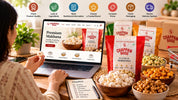
When you buy makhana online in India, you may encounter different grades, sizes, flavours, pack formats, and product descriptions.
Buying makhana online is convenient, but choosing the right product requires more than looking at attractive packaging or a long list of health claims. You need to know what the product contains, how fresh it is likely to be, whether the packaging protects its crunch, and whether the seller provides clear information about quality and storage.
Whether you want a simple snack for everyday use, an ingredient for homemade recipes, or a flavoured option for family gatherings, knowing what to look for can help you make a better purchasing decision.
When you buy makhana online in India, you may encounter different grades, sizes, flavours, pack formats, and product descriptions. Some products are plain and unroasted, while others are roasted, seasoned, or ready-to-eat. These differences affect how you use and store the product.
This guide explains how to choose quality makhana by examining appearance, texture, ingredients, packaging, food-safety information, and seller transparency. It also covers practical ways to compare products without relying on marketing claims alone.
Makhana, commonly called fox nuts, is the edible seed of the aquatic plant Euryale ferox. The seeds are processed, typically through heating and popping, to create the light, crisp product commonly sold in India.
Although makhana may look similar across different online listings, the products can vary in size, appearance, processing, seasoning, and overall condition.
For example, consider two packs that both claim to contain plain makhana. One listing provides clear ingredient information, a visible package label, appropriate storage instructions, and details about the seller. The other uses attractive photographs but provides little information about ingredients or packaging.
The first listing gives you more information to evaluate the purchase. It does not automatically guarantee superior quality, but it makes an informed decision easier.
Before choosing a product, consider these five essentials:
These checks are useful whether you are buying makhana for personal consumption, stocking your kitchen, or selecting snacks for guests.
Before deciding which product to purchase, understand the main forms of makhana available online. The right choice depends on whether you want to cook with it, season it yourself, or enjoy it straight from the packet.
Plain makhana is a versatile choice for home cooking. You can roast it with ghee, add spices, prepare sweet variations, or use it as a base for different recipes.
When evaluating plain makhana, check whether the product is described as raw, popped, or ready for roasting. These terms can refer to different processing stages, so do not assume that every product can be eaten straight from the packet.
Roasted makhana is designed for convenient snacking. It may be dry-roasted or prepared with oil, ghee, salt, or other ingredients.
Check the ingredient list and preparation details. A product described as roasted may still contain added fat or seasoning, and its nutritional profile will depend on the recipe.
Flavoured varieties may include peri-peri, pudina, cream and onion, masala, or other seasoning blends.
These can be useful for parties and everyday snacking, but the flavour name alone does not tell you everything about the product. Check the ingredients, allergen declaration, salt content, and any added sugars or fats.
If you plan to prepare makhana kheer, curry, roasted snacks, or other dishes, choose a product appropriate for the intended recipe. For example, plain popped makhana gives you more control over the seasoning in a savoury preparation.
Practical tip: Decide how you intend to use the makhana before browsing online. This makes it easier to compare similar products rather than choosing a pack simply because its photograph looks appealing.
Appearance is a useful starting point when assessing makhana, but it should not be your only quality test.
Popped makhana naturally varies in size, shape, and surface appearance. Some pieces may be rounder, while others may have irregular edges. Natural variation does not automatically indicate poor quality.
If a seller provides genuine product photographs, examine the visible pieces. A batch with a reasonably consistent appearance may be easier to use for presentation or portioning.
However, do not assume that every piece must be identical. Processing and the natural characteristics of the seeds can produce variation.
A small number of broken pieces is not necessarily a problem. Makhana is light and fragile, so some breakage can occur during handling and transport.
What matters is the overall condition of the product. If the listing shows a large quantity of crumbs or fragments, check whether the seller describes the product as whole, broken, or suitable for a particular use.
Makhana should be dry. Visible moisture, unusual discolouration, or evidence of damaged packaging deserves attention.
If you receive a product with a musty or rancid smell, visible mould, or other signs of spoilage, do not taste it to determine whether it is safe. Stop using it and contact the seller.
A very white appearance is not, by itself, proof of superior quality. Similarly, natural colour variation does not automatically mean the product is inferior.
Look at the complete picture: product condition, freshness information, processing details, packaging, and the seller's willingness to provide clear answers.
When purchasing Roasted Makhana, the ingredient list is one of the most useful parts of the product label.
A plain version may contain only makhana, while a seasoned variety may include oil, ghee, salt, spices, flavourings, or other ingredients.
Check the ingredients rather than relying only on the product name or front-of-pack claims.
For plain makhana, look for a straightforward description of the product. For flavoured versions, make sure the ingredients match your preferences and dietary requirements.
These ingredients are not automatically undesirable, but they affect the product's overall nutritional profile.
If you prefer to control seasoning at home, plain makhana may be a more flexible choice. If you want a convenient ready-to-eat snack, a flavoured variety may better suit your needs.
Seasoning blends can contain milk, nuts, soy, or other allergens. Manufacturing facilities may also handle multiple ingredients.
If you have a food allergy, check the complete allergen statement and contact the manufacturer if any information is unclear. Do not assume a product is allergen-free simply because makhana itself is the main ingredient.
Some products are ready to eat, while others may need roasting or cooking. Follow the manufacturer's instructions, especially if the product is not clearly labelled as ready to eat.
Practical tip: If you are comparing two flavoured products, evaluate their ingredients, allergen information, freshness details, and intended use together. A flavour name alone is not enough to determine which product is the better choice.
The most useful way to how to choose quality makhana is to evaluate several factors together instead of focusing on one claim, such as size or colour.
Use this checklist before placing an order.
Ingredient list
Check seasonings, oils, salt, sugar, and other ingredients.
Freshness details
Look for manufacturing or packing dates, best-before information, and storage instructions where applicable.
Packaging condition
Check the seal, the pack description, and whether the packaging is suitable for protecting a dry snack.
Food-safety labelling
Review the manufacturer or responsible food business operator details and applicable licence information.
Seller transparency
Check customer support, return or complaint procedures, and whether product descriptions are clear.
Intended use
Choose a product that suits snacking, roasting, cooking, or a specific recipe.
0 of 7 checks completed
Reset checklist
This checklist is especially useful when a product listing has limited photographs. If important information is missing, ask the seller for clarification before ordering.
Packaging plays an important role in protecting makhana because the product is dry, light, and easily affected by moisture.
A well-designed package can help preserve texture during storage and transport. However, no packaging format can guarantee freshness if the product was already poorly stored or damaged before packing.
The pack should be properly sealed and show no obvious signs of tampering or damage. If the seller provides images of the actual retail packaging, inspect the seal and package condition.
Packaging designed to protect dry foods from moisture is useful for makhana. Some products may use resealable pouches, while others use standard sealed packets.
A resealable pack can be convenient after opening, but you should still close it securely and follow the storage instructions.
Look for applicable manufacturing or packing details, best-before information, and batch identification on the package or product listing.
Do not assume that a product is fresh simply because it is currently available online. If date information is missing from the listing, check the physical label when the product arrives.
Once opened, keep makhana in a clean, dry, airtight container. Store it away from moisture, direct sunlight, and strong-smelling foods.
Avoid leaving the packet open on a kitchen counter for extended periods, especially in humid conditions. Moisture can reduce crispness and affect the product's quality.
If the makhana smells unusual or shows signs of spoilage, stop using it.
Finding the best makhana online is not simply a matter of selecting the first search result. A reliable purchase depends on product information, seller transparency, fulfilment practices, and how closely the delivered item matches the listing.
A useful listing should explain what is being sold. Look for details such as:
Descriptions that rely heavily on words such as premium, natural, or healthy without explaining the actual product provide less useful information.
Customer reviews can reveal recurring issues, such as broken pieces, damaged seals, missing items, or discrepancies between the product description and the delivered product.
However, one review does not establish overall quality. Look for consistent patterns across multiple reviews and distinguish comments about packaging or delivery from comments about taste and freshness.
Reviews also cannot reliably establish food safety, ingredient accuracy, or nutritional benefits.
A transparent seller should make it reasonably easy to identify the business responsible for selling the product and to contact customer support.
For packaged food in India, check applicable food business and labelling information. The Food Safety and Standards Authority of India (FSSAI) provides information about food safety requirements and food business licensing.
You can consult the official Food Safety and Standards Authority of India website at FSSAI.gov.in for general food safety information.
A licence number should be checked in the appropriate context; its presence alone is not a guarantee of every aspect of product quality.
Before ordering, understand what to do if the packet arrives damaged, the contents differ from the listing, or the seal appears compromised.
Keep the outer packaging and order details until you have checked the product. If there is a problem, photograph the affected package and contact the seller through the documented complaint process.
When you buy fox nuts online, the most suitable product depends on how you intend to use them.
A plain popped or ready-to-eat roasted product can be convenient. Choose according to whether you prefer to add your own seasoning or open a packet and eat it immediately.
Plain makhana gives you greater control over flavour. You can roast it with a small amount of ghee, prepare a savoury masala version, or use it in recipes such as makhana kheer.
If the product is intended for cooking rather than direct consumption, follow the preparation instructions provided by the manufacturer.
Flavoured makhana can be useful when you want to serve several snack options without extensive preparation.
Consider choosing a mild variety alongside a spicy or tangy option. Keep each flavour in a separate bowl so guests can select according to their preferences.
If you are purchasing makhana as a gift, packaging presentation may matter, but it should not replace quality checks.
Look at the seal, ingredient information, date details, and storage instructions. If the gift includes multiple flavours, check each variety separately for allergens and other ingredients.
Searches for makhana health benefits are common, but it is important to distinguish general nutritional information from unsupported product claims.
Makhana provides carbohydrates and some protein. It also contains minerals, although the exact amounts vary with the product and processing. Its naturally low fat content before additional ingredients are added can make plain makhana a useful option for people who want variety in their snack choices.
However, the finished product matters.
Makhana should not be described as a cure for a medical condition or as automatically suitable for every dietary need.
If you are choosing a product for a particular health goal, read its nutritional information and consider your overall diet. People with specific medical or dietary requirements should seek appropriate professional advice when needed.
The most reliable buying decision is based on the actual ingredients and product information, not broad health claims on a promotional banner.
The phrase premium makhana varieties may appear in online listings, but the word premium does not have one universal meaning that guarantees a particular level of quality.
Sellers may use it to describe appearance, size, selection, processing, or packaging. These characteristics should be explained rather than assumed.
Larger pieces may be preferred for some serving purposes, but size alone does not establish freshness, flavour, or overall quality. Smaller pieces can still be suitable for cooking and homemade recipes.
A product with a reasonably consistent batch may be easier to portion and present. However, natural differences in shape and size are normal.
Find out whether the product is plain popped makhana, roasted makhana, or a seasoned snack. These forms have different uses and may require different storage or preparation methods.
Clear ingredient information, appropriate packaging, date details, and transparent seller information are more useful than a premium label on its own.
If a listing makes specific claims about origin, processing, or quality grading, look for supporting information before treating those claims as established facts.
Even careful shoppers can overlook important details when comparing products.
Mistake 1: Choosing only by appearance. Attractive photographs may not represent the exact batch you receive.
Better approach: Check the product description, packaging information, reviews, and seller details together.
Mistake 2: Ignoring the ingredient list. Flavoured varieties can contain ingredients that may not suit your preferences or dietary needs.
Better approach: Read the full label, including allergen declarations.
Mistake 3: Assuming every product is ready to eat. Different products may be intended for different forms of preparation.
Better approach: Check the preparation instructions before consuming the product.
Mistake 4: Treating customer reviews as proof of safety. Reviews can provide useful feedback but cannot establish that a product meets every food safety requirement.
Better approach: Review the product's labelling and seller information as well.
Mistake 5: Storing the product incorrectly after delivery. Even good-quality makhana can lose its crispness if exposed to moisture.
Better approach: Transfer opened contents to a clean, airtight container when appropriate and follow the package directions.
Mistake 6: Ignoring missing information. If essential product details are unclear, a listing may not provide enough information for a confident decision.
Better approach: Ask the seller for clarification or select a listing with clearer documentation.
If you are ordering makhana online for the first time, avoid making the decision based entirely on brand familiarity or product photographs. A simple, step-by-step approach can reduce uncertainty.
For a first purchase, choosing a clearly labelled product with straightforward ingredients can make evaluation easier. Once you know what you prefer, you can explore other formats and flavours.
When considering Chappan Bhog Makhana, apply the same checks you would use for any other brand. Review the specific product's ingredients, packaging, and storage instructions rather than assuming that every variety has identical characteristics.
When you buy makhana online in India, the best approach is to look beyond attractive packaging and broad quality claims. Check the product type, ingredients, freshness information, packaging condition, and seller transparency before making your decision.
Whether you prefer plain makhana for homemade recipes, roasted varieties for everyday snacking, or flavoured options for entertaining guests, understanding these details helps you choose a product that suits your needs.
Remember that larger pieces, a premium label, or attractive photographs do not automatically establish superior quality. Reliable product information and careful inspection are more useful indicators.
Use the checklist in this guide when comparing the best makhana online, and apply the same standards to Chappan Bhog Makhana or any other brand you consider. A little research before ordering can help you avoid common purchasing mistakes and make a more confident choice.
Start with the product type, ingredient list, packaging, freshness information, and seller transparency. Confirm whether the product is plain, roasted, or flavoured and whether it is ready to eat.
Look for relevant date details, storage instructions, manufacturer information, and applicable food business labelling. Reviews can help identify recurring issues with packaging or delivery, but they should not be treated as proof of food safety. When essential details are missing, ask the seller for clarification before ordering.
Good-quality makhana should be dry and free from signs of spoilage. Popped pieces commonly have a light, airy texture, although size and shape vary naturally.
If buying online, use the available product photographs and description as preliminary information rather than definitive proof. After delivery, inspect the seal and label, then check the product for unusual odours, visible mould, or signs of moisture. Do not taste a product to test whether it is safe if you suspect spoilage.
Neither option is automatically better for everyone. Plain makhana gives you control over the seasoning and is useful for cooking. Flavoured makhana offers convenience when you want a ready-to-eat snack.
The main difference is the complete ingredient list. Flavoured products may contain added salt, sugar, oil, dairy ingredients, or spice blends. Choose according to your intended use, taste preferences, and dietary needs. If you have a food allergy, examine the allergen declaration carefully.
First, check the packaging and follow the manufacturer's storage instructions. Once opened, keep the makhana in a clean, dry, airtight container where appropriate.
Store it away from moisture, direct sunlight, and strong-smelling foods. In humid conditions, close the container promptly after use because moisture can reduce crispness. If the product develops an unusual smell, visible mould, or other signs of spoilage, stop using it.
A trustworthy seller should provide clear product descriptions, ingredient and allergen information, relevant manufacturer details, applicable food business labelling, and accessible customer support.
Look for consistent customer feedback and a clear process for handling damaged or incorrect orders. Where applicable, food business licence details can be checked through official resources. Remember that a professional-looking website or a licence number alone does not guarantee every aspect of product quality; consider the available evidence together.