
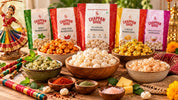
Which Makhana Flavours Are Best for Everyday Snacking?
, by Akash Jain, 23 min reading time
, by Akash Jain, 23 min reading time
We will also look at the best makhana flavours for festive parties, so you can choose options that suit both everyday cravings and special gatherings.
Finding a snack that tastes good, feels satisfying, and fits into a busy routine can be surprisingly difficult. Chips and fried snacks are convenient, but eating the same options every day can become repetitive. This is one reason makhana has become a popular choice for people looking for something crunchy that can be prepared in different ways.
Plain makhana has a mild taste, making it an excellent base for seasoning. Add a little spice, and it becomes a bold evening snack. Choose mint-based seasoning, and you get a fresher flavour. Prefer something creamy and savoury? Cream and onion is another popular combination worth trying.
But which are the best makhana flavours for everyday snacking? The answer depends on your taste preferences, how much seasoning you enjoy, the ingredients used, and whether you want a quick snack at work, something to serve guests, or a homemade alternative to packaged savoury foods.
In this guide, we compare popular flavoured makhana options, explain how to prepare them, share practical serving ideas and explore which flavours work best for different occasions. We will also look at the best makhana flavours for festive parties, so you can choose options that suit both everyday cravings and special gatherings.
The goal is not to label one flavour as universally best. It is to help you choose a snack that tastes good, is convenient to prepare, and fits your everyday eating habits.
Makhana, commonly called fox nuts, comes from the edible seeds of Euryale ferox, an aquatic plant cultivated in parts of Asia. Bihar, especially the Mithila region, is well known for makhana production.
The familiar white, puffed pieces are processed and dried before they are sold. Their relatively mild flavour makes them suitable for a wide range of seasonings, from black pepper and cumin to chilli, mint and creamy savoury blends.
Roasting helps reduce moisture and gives makhana its characteristic crunch. The dry surface also makes it easier for seasoning to adhere, especially when a small amount of oil or ghee is used.
However, the final texture depends on several factors:
For example, a dry peri-peri seasoning can work well when added near the end of roasting. Fresh mint leaves, on the other hand, introduce moisture and are better suited to snacks served immediately.
Understanding these differences makes it easier to prepare tasty makhana snacks for parties as well as everyday portions.
The following flavours cover different preferences, from spicy and tangy to mild, creamy and naturally aromatic. Each option includes a practical way to prepare it and a suggestion for when to serve it.
Taste profile: Spicy, tangy and savoury.
Best for: Evening cravings, movie nights and people who enjoy bold flavours.
Peri peri makhana is a good choice when plain roasted snacks feel too mild. The seasoning typically combines chilli, garlic, herbs, and tangy ingredients, although the exact mixture varies by brand and recipe.
Ingredients
Method
Start with less seasoning than you think you need. Commercial peri-peri blends can contain considerable salt, so adding extra salt immediately may make the snack too salty.
If you are preparing this flavour for children or guests with different spice preferences, keep a mild batch alongside the spicy one.
Verdict: A strong everyday choice for anyone who prefers a punchy, savoury snack.
Taste profile: Minty, herby, and mildly tangy.
Best for: Afternoon snacking, warm-weather gatherings, and people who prefer a lighter-tasting seasoning.
Pudina makhana offers an alternative to chilli-heavy flavours. Mint-based seasoning can bring a fresh aroma without making the snack intensely spicy.
Ingredients
Method
For a crisp snack that can be stored, dried mint powder is generally more practical than fresh mint paste. Fresh herbs contain moisture, which can soften roasted makhana.
If you enjoy a sharper flavour, a few drops of lemon juice can be added just before serving. Avoid adding it to a large batch intended for later storage.
Verdict: A useful option when you want something savoury with a fresher flavour profile.
Taste profile: Creamy, savoury, mildly sweet and onion-like.
Best for: Office snacks, family gatherings and people who prefer mild flavours over strong chilli.
Cream and onion makhana brings together the familiar taste of onion seasoning with a creamy, savoury finish. Commercial versions may use milk-derived ingredients, flavourings, starches or other additives, depending on the formulation.
Ingredients
Method
Check the ingredient list if you are buying a packaged seasoning. Some blends contain milk ingredients, added sugar, salt, or flavour enhancers. This matters if you have food allergies, follow a specific diet, or prefer a simpler ingredient list.
Verdict: A good option for people who enjoy familiar, mild savoury flavours.
Taste profile: Clean, mildly spicy and savoury.
Best for: Daily snacking, travel containers, and people who dislike strong seasoning.
Sometimes the simplest flavour is the most useful. Salt and black pepper let the natural taste of makhana remain noticeable without covering it with a heavy seasoning blend.
This flavour is easy to prepare with pantry ingredients. It also serves as a useful starting point if you are experimenting with homemade makhana flavours for the first time.
You can divide one plain batch into smaller portions and season each differently. That approach saves time and allows everyone at home to choose a preferred flavour.
Keep the salt light, particularly if you already eat salty foods during the day. A snack can taste satisfying without being heavily seasoned.
Verdict: One of the most practical choices for regular snacking because it is simple, versatile, and easy to customise.
Taste profile: Rich, savoury and slightly tangy.
Best for: Weekend treats, movie nights and people who enjoy cheese-flavoured snacks.
Cheese makhana can appeal to people who want a richer taste without switching to a completely different type of snack. The flavour can come from cheese powder, dairy-based seasoning, or a non-dairy flavour blend.
Cheese seasoning can contain salt, saturated fat, and milk ingredients. Check the label and allergen information rather than assuming all cheese-flavoured products have the same composition.
For a homemade version, use a suitable cheese powder in a small quantity and mix thoroughly. Avoid adding wet cheese sauces if you want the snack to stay crunchy.
Verdict: A flavour worth trying when you want something richer than a plain or herb-seasoned snack.
Taste profile: Warm, savoury, aromatic and adjustable in heat.
Best for: Evening tea, family snacking, and people who enjoy Indian spice blends.
Indian masala makhana can be prepared with different combinations of cumin, coriander, turmeric, chilli, and other spices. There is no single universal masala recipe, which makes this flavour easy to adapt.
Ingredients
Method
Use a lighter hand with turmeric and chilli. Too much powder can create a dry, dusty coating or overpower the mild flavour of makhana.
If you are preparing the snack for a group, serve the chilli separately or make two batches with different spice levels.
Verdict: An adaptable choice for people who enjoy familiar Indian seasoning and want more control over the flavour.
The right flavour is not just about taste. It also depends on when you plan to eat it, who you are serving, and how much preparation time you have.
|
Occasion |
Recommended flavour |
Why it works |
|
Daily office snack |
Salt and black pepper |
Simple and easy to portion |
|
Evening cravings |
Peri peri |
Bold and spicy |
|
Light afternoon snack |
Pudina |
Fresh, herby flavour |
|
Family movie night |
Cheese or cream and onion |
Familiar savoury taste |
|
Guests at home |
Indian masala |
Easy to customise |
|
Travel |
Dry-roasted pepper or peri-peri |
Convenient when stored properly |
|
Festive gathering |
A mix of three or four flavours |
Offers variety for different preferences |
When planning the best makhana flavours for festive parties, variety usually matters more than selecting one flavour that everyone must enjoy.
A practical combination is:
Serve the flavours in separate bowls with small labels. This makes the selection easier to navigate and helps guests identify the options they prefer.
If you are hosting a larger gathering, prepare the plain roasted base ahead of time and season each batch separately. This is usually easier than preparing every flavour from scratch.
For guests with dietary restrictions, provide clear ingredient information. Cheese and cream-and-onion seasonings may contain milk, while other blends may include ingredients that are unsuitable for particular allergies or diets.
Homemade flavoured makhana gives you more control over the seasoning, oil, and salt. The key is to manage moisture and heat carefully.
Choose clean, dry pieces without unusual odours or visible signs of mould. Makhana that has absorbed moisture may take longer to crisp.
Use a heavy-bottomed pan and low to medium-low heat. Stir regularly to prevent uneven browning.
The cooking time varies with the quantity and initial moisture content, so test a piece rather than relying entirely on a timer.
Oil or ghee can help dry seasoning stick to the surface. Start with a small quantity and distribute it evenly.
Too much fat can make the snack greasy and increase its energy content.
Fine seasoning powders can burn if they are exposed to high heat for too long. Turn down the flame or switch it off before adding the powder, then mix thoroughly.
Allow the finished snack to cool before placing it in an airtight container. Sealing it while warm can trap moisture and reduce crispness.
Store it in a clean, dry place and follow any product-specific storage instructions. Snacks made with fresh herbs, sauces, or other moist ingredients are best consumed promptly.
Makhana can be included in a balanced diet, but its nutritional profile changes according to the ingredients and serving size.
Plain makhana is primarily a carbohydrate source and contains some protein and minerals. Roasting changes its moisture content, while added oil, ghee, sugar, cheese powder, and seasonings can change the nutritional profile of the finished snack.
Here are a few practical ways to make informed choices.
A simple way to manage portions is to place a serving in a small bowl rather than keeping the entire packet beside you while working or watching television.
No particular flavour guarantees weight loss, improved digestion, or other specific health outcomes. Choose based on taste, ingredient quality, and your broader dietary needs.
Two products labelled peri peri may have different ingredients, spice levels, and sodium content. Read the label rather than assuming the flavour name tells you everything.
A heavy coating can overpower makhana's natural taste and make the snack too salty or spicy. Add seasoning gradually and taste as you go.
Even well-roasted makhana can lose its crunch in humid conditions. Keep the package sealed after opening and avoid storing it near steam or other sources of moisture.
A spicy snack may suit an evening craving, but not every guest at a family gathering. Keeping two or three options available makes it easier to cater to different preferences.
Flavouring methods and ingredient proportions vary. Compare the nutrition information per 100 grams and, where available, per serving.
If you prefer packaged snacks over preparing every batch at home, evaluate the product carefully.
Compare its available flavours and product labels with other products before deciding which one best suits your needs. Product availability and ingredients can vary, so verify the details on the specific pack.
The best makhana flavours depend on what you enjoy, how much preparation you want to do, and when you plan to eat them. Peri-peri offers a bold kick, pudina brings a fresh herbal taste, cream and onion deliver a mild savoury flavour, and salt and pepper keep things simple.
For everyday snacking, start with two or three flavours and see which ones you enjoy most. If you are preparing makhana snacks for parties, offer a mix of spicy, creamy, and mild options so guests can choose according to their preferences.
Homemade recipes provide greater control over seasoning, while packaged options offer convenience. If you are exploring Chappan Bhog Makhana or other brands, compare their ingredients, nutrition panels and storage instructions rather than choosing by flavour name alone.
Ultimately, the most useful snack is one that tastes good to you, fits your routine, and complements a varied, balanced diet.
Salt and black pepper is a practical everyday option because it is simple, easy to prepare, and do not require a heavy seasoning blend. Peri peri is suitable for people who enjoy spicy flavours, while pudina offers a fresher alternative. Your best choice depends on taste preferences, ingredient requirements, and how much salt or seasoning you prefer.
Neither is universally better. Peri peri usually provides a stronger chilli-and-tang flavour, whereas pudina is more herbal and refreshing. If you prefer bold, spicy snacks, peri-peri may be more appealing. If you prefer milder savoury flavours, pudina may suit you better. Compare the seasoning ingredients and sodium content if you are choosing packaged versions.
Roast the makhana until crisp, add only a small amount of oil or ghee, and mix in dry seasoning after reducing the heat. Allow the finished snack to cool completely before storing it in an airtight container. Avoid adding fresh herbs, sauces, or lemon juice to a batch you intend to store because the extra moisture can soften the pieces.
A combination of peri peri, cream and onion, pudina, and salt and pepper provides a useful balance of spicy, creamy, herby, and simple flavours. Serve them in separate bowls and label them clearly. Check the ingredient and allergen information, particularly for creamy seasonings, and offer a plain option for guests who prefer less seasoning.
Flavoured makhana can be a useful alternative to some packaged snacks, especially when prepared with moderate amounts of oil and seasoning. However, the comparison depends on the products, serving sizes, and nutritional labels. Some flavoured makhana products contain substantial added salt, oil, or sugar, so do not assume every version is automatically healthier than chips.